Pixell and Hub is an independent course aggregator. We may earn a commission when you click through.
Python Course Myths That Waste Your Study Time
Four common Python-course myths can send beginners in the wrong direction. Here is what the available Planet University lessons actually cover.
The surprising myth: a Python course is automatically useful just because it teaches Python. The real test is what you can do after the lesson. Planet University’s available courses reveal a sharper distinction: one builds general foundations, another moves into next steps, and two focus on geospatial data and APIs. None lists a price, duration, assessment method, or certificate in the supplied course information, so claims about career value need restraint.
Here are four assumptions worth dropping before you choose a programming course.

Myth 1: Any Python course prepares you for software development
Reality: Python is a language, not a job description. A fundamentals course may help you understand syntax and basic programming logic, but software development also involves testing, version control, debugging, application structure, and collaboration. The supplied information for Planet University’s Fundamentals of Python course confirms the subject, but does not provide enough detail to verify the full project scope.
What to do instead: use a foundation course as the first step, then build a small project and inspect the syllabus for practical work. A course that teaches concepts without requiring you to create anything should not be treated as a complete career track.
Osnove Pythona
The title makes this the clearest starting point for a complete beginner, but it should be judged as a foundation rather than a full developer pathway. Choose it if you need Python basics explained in sequence; plan a separate project-based course afterward because the supplied listing does not confirm portfolio work, assessment, price, or certificate details.
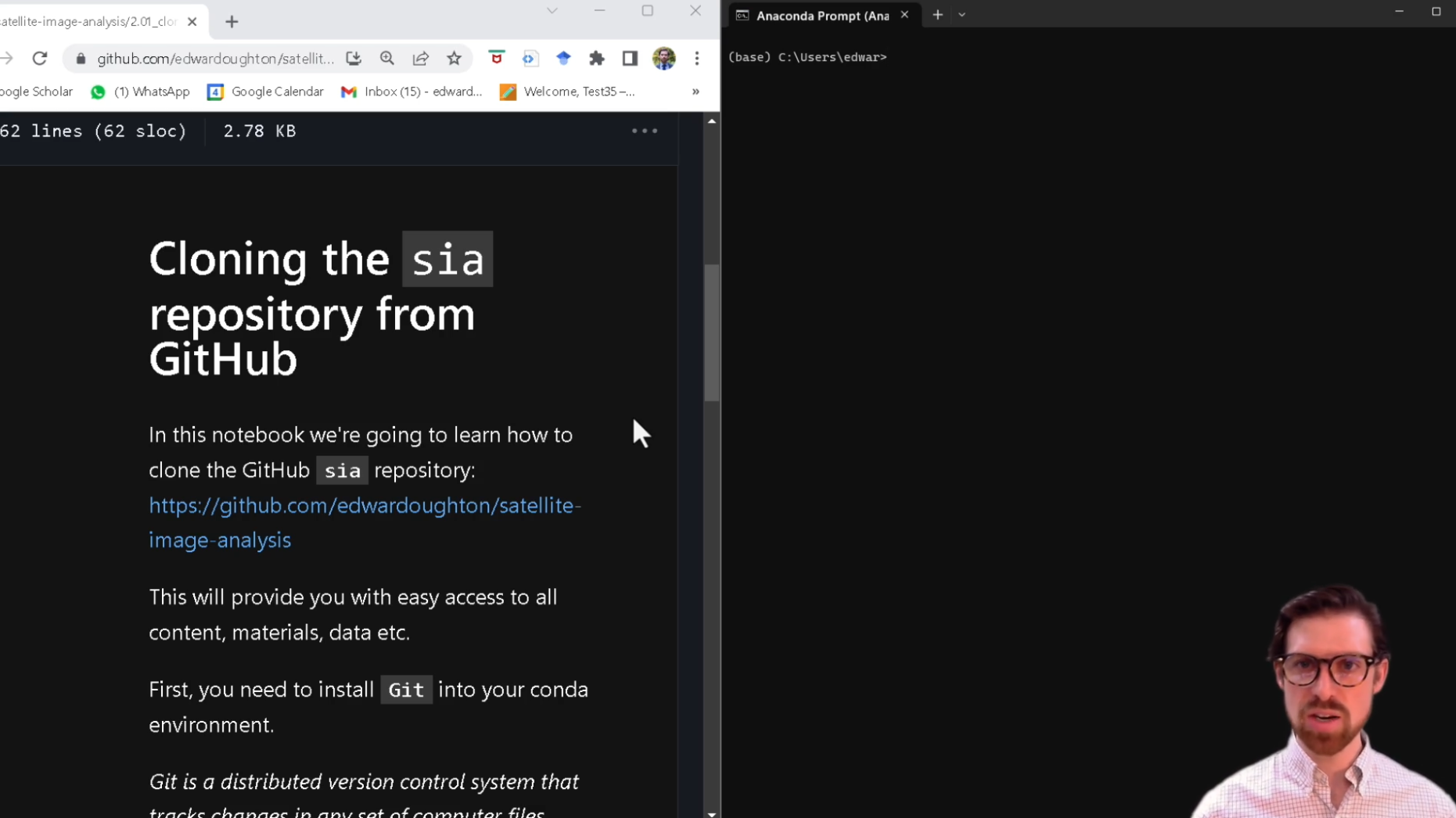
The distinction matters more than the language itself. A beginner who finishes basic syntax but never writes a usable script has learned terminology, not yet demonstrated a development skill. Compared with the more specialized courses below, this one has the broadest apparent starting point and the least obvious connection to a particular work task.
Myth 2: More advanced-sounding titles always mean better career value
Reality: “Next steps” sounds more employable than “fundamentals,” but a title cannot prove depth. The supplied page information for Python Next Steps identifies progression beyond the basics, yet it does not state which libraries, projects, testing practices, or development workflows are included.
What to do instead: look for concrete outcomes. Can you automate a task, work with files, call an API, or explain your code? Those details matter more than an advanced label.
Python Naslednji koraki
This is the logical follow-on from Fundamentals of Python, not a substitute for it. Pick it after you can already read and write basic Python; otherwise the progression may feel abrupt. The listing does not disclose the exact topics or certificate terms, so its value depends heavily on whether the course page provides hands-on exercises beyond the title.
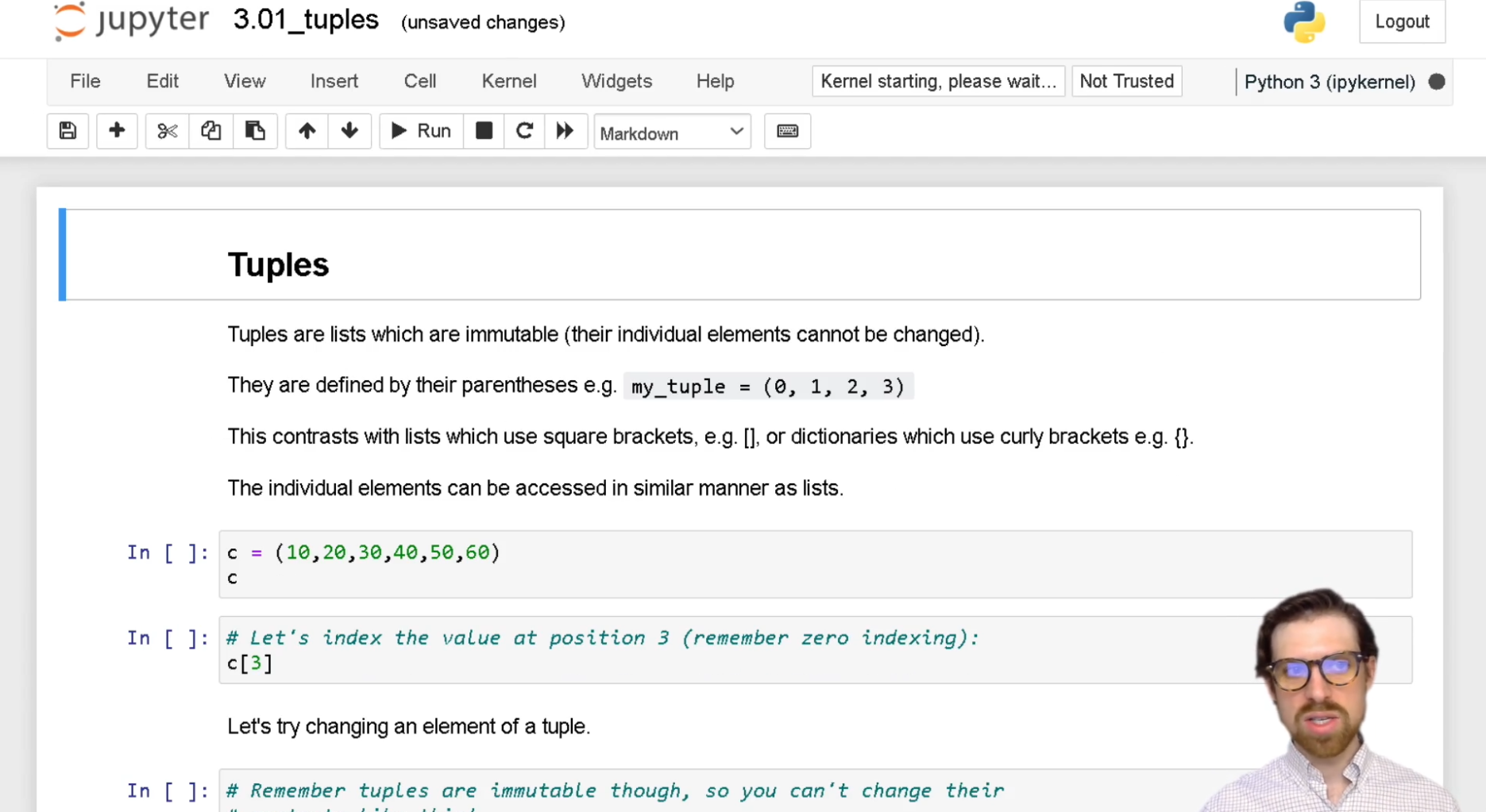
The useful comparison is simple: Fundamentals appears to answer “How does Python work?” while Next Steps appears to answer “Where do I go after the basics?” That sequence makes sense, but neither listing supplies enough evidence to call it a complete professional curriculum. Treat the pair as a possible learning path, not proof of job readiness.

Myth 3: Specialized Python courses are only for experienced developers
Reality: specialization can make learning more concrete, even when the learner is new to programming. Working with spatial data gives Python a visible purpose: files, coordinates, maps, and analysis become the context for practicing code. The limitation is that a specialized course may assume basic Python knowledge.
What to do instead: check prerequisites before enrolling. Start with Fundamentals if loops, functions, and data structures are unfamiliar. Move to a spatial course once you can follow Python examples without copying every line blindly.
Delo s prostorskimi podatki v Pythonu
Spatial data gives beginners a clearer reason to learn Python than abstract exercises alone, but the title signals a narrower destination. Choose this course if maps, satellite imagery, or geographic analysis interest you; skip it as a first lesson unless the syllabus confirms that Python basics are included. Its specialized focus is more useful for a defined data goal than for general web development.
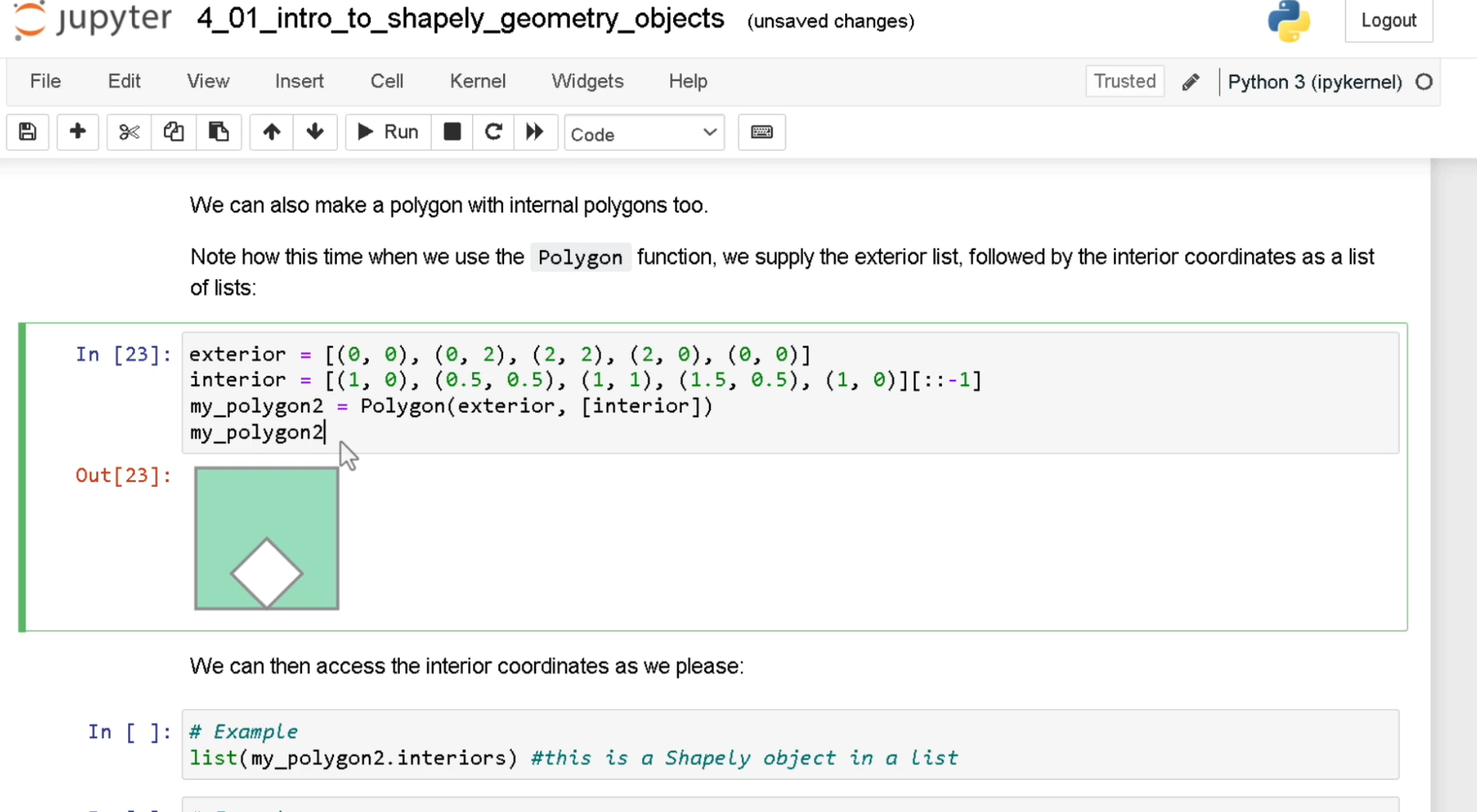
This is where course selection should follow the work you want to do. A learner targeting geospatial analysis may gain more from a focused spatial course than from another broad introduction. A learner aiming at web applications, automation, or backend development needs different projects, even if Python remains the language.
Myth 4: Learning APIs means you already know software development
Reality: APIs are an important development skill, but they are one part of the stack. You still need to understand requests, authentication, data formats, error handling, and how an application uses the response. The supplied listing for Planet University’s REST API course confirms the topic but does not reveal the exercises or prerequisites.
What to do instead: pair API study with a small working project. Fetch data, handle a failed request, save the result, and document the process. That produces stronger evidence of ability than a completion badge alone.
Free REST API Course in Slovenian
REST APIs are practical, but this course belongs after basic programming rather than before it. Choose it if you already understand variables, functions, and structured data and want to connect software to external services. Compared with the spatial-data course, it points toward a broader technical skill, yet the missing syllabus details make it impossible to verify whether authentication, errors, or a finished project are covered.
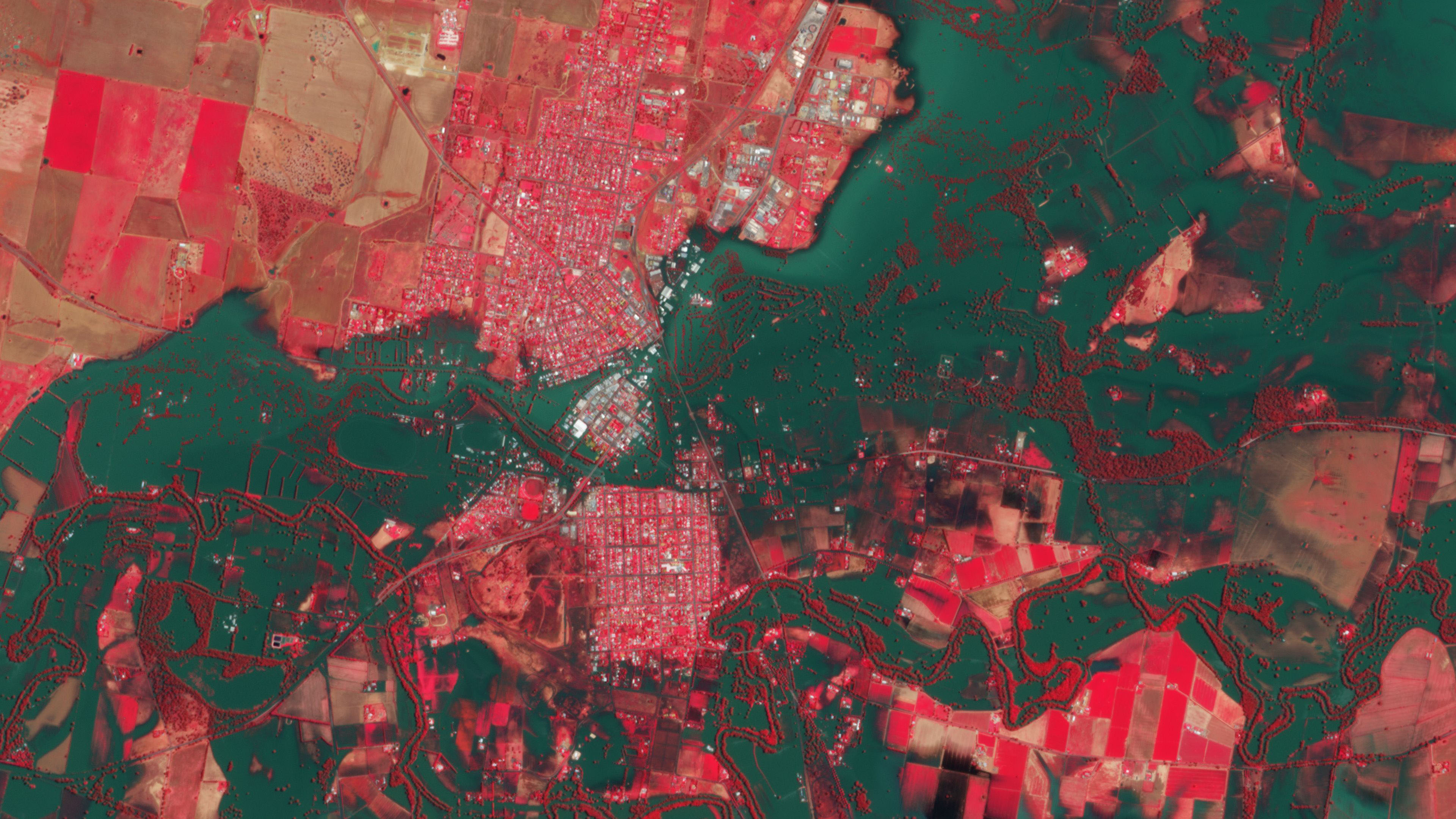
The contrarian point is that an API course can feel productive while leaving major gaps. Sending one successful request is easy; building a dependable integration is not. Look for practice with failure cases and data handling, not just a demonstration that a request can return information.
What actually matters before you enroll
- Prerequisites: know whether the course starts with Python basics or assumes them.
- Practical output: prefer exercises and projects that leave you with code you can explain.
- Specific direction: choose spatial data for geospatial work and REST APIs for integration-focused development.
- Transparent terms: the supplied listings do not show prices, durations, ratings, or certificate details, so verify those points on the course page before committing.
- Progression: beginners should start with Fundamentals, then consider Next Steps before moving into a specialized topic.
My recommendation is straightforward: start with Fundamentals of Python if you are new, use Python Next Steps once the basics feel comfortable, and choose the spatial or REST API course only when its subject matches the work you want to do. A certificate may document completion, but a working project tells employers far more.
If geospatial work is the direction that interests you, the next step is a broader comparison of practical routes and project ideas in Six Practical Routes Into Geospatial Data Analysis.