Pixell and Hub is an independent course aggregator. We may earn a commission when you click through.
Three Creative Courses for Turning Ideas Into Income
Compare three beginner courses covering gift packaging, interior styling, and party decoration, with free access and 18-hour formats.
Quick Picks
Best overall for a creative side business: Gift Packaging Creator.
Best for home styling: Interior Decoration.
Best free starting point: Decoration for Parties.
All three courses are listed as beginner level and take about 18 hours. None has a published price in the available course data, so check the provider page before enrolling. The bigger difference is practical: one teaches a sellable product, one develops room-planning skills, and one points toward event work.

Hands-On Skills With a Clear Product Outcome
The strongest course in this group is the one that ends with something a customer can actually buy. Gift packaging has that advantage: the learner works with papers, ribbons, and ornaments to create personalized presentation for different occasions. That is more concrete than studying broad design principles, especially for someone testing a small creative business.
The available listing describes the course as beginner level, with two reviews and an 18-hour format. It does not publish a price, certificate detail, or a full module list in the supplied data. That limits what can be claimed about professional recognition. Treat it as a practical skills course, not a formal design qualification.
Gift Packaging Creator Course
Gift Packaging Creator has the clearest path from lesson to paid service: you learn about papers, ribbons, ornaments, and personalized packaging rather than only studying visual theory. Compared with Interior Decoration, the scope is narrower, but that focus is useful if you want to build sample products quickly. The listing shows an 18-hour beginner format and two reviews, yet gives no published price or certificate information, so the value depends on whether you want a hands-on craft skill rather than a credential.

That narrow focus is also the main limitation. Gift packaging will not teach you how to plan a full room or manage a large event, but it may be easier to practise at home with modest materials. I would choose it over the broader courses for a learner who wants a small catalogue of products to photograph and sell.
What you should verify before enrolling
- Whether materials are included or need to be purchased separately.
- Whether the course provides a certificate after completion.
- How detailed the business guidance is beyond the craft lessons.
Design Thinking for Rooms and Events
Interior Decoration and Decoration for Parties share the same 18-hour beginner format, but they lead to different kinds of projects. Interior Decoration is about lasting spaces: color combinations, furniture, accessories, and object placement. Party Decoration is more time-sensitive and event-led, covering birthdays, weddings, corporate events, and themed celebrations.
The surprising point is that the party course is explicitly described as free, while the available data does not show a price for the other two listings. That makes it the lowest-risk way to test whether creative decoration holds your attention before spending on supplies or a paid programme.
Interior Decoration Course
Interior Decoration covers the broadest visual territory in the group, including design principles, color harmony, furniture selection, accessories, and object planning. Its eight reviews give it more visible learner feedback than the two-review packaging course or the six-review party course, although the supplied listing does not provide a rating or written comments. Choose this route if you want skills that can apply to your own home, mood boards, or early styling projects; do not expect the listing alone to prove professional accreditation.

Free Party Decoration Course
Decoration for Parties is the practical contrast to Interior Decoration: it focuses on temporary environments and names specific use cases such as birthdays, weddings, corporate events, and themed celebrations. The course is online, free, beginner-friendly, and listed at 18 hours with six reviews. It may be the smartest first experiment for someone considering event styling, though the available description does not confirm a certificate, materials list, or business-planning content.
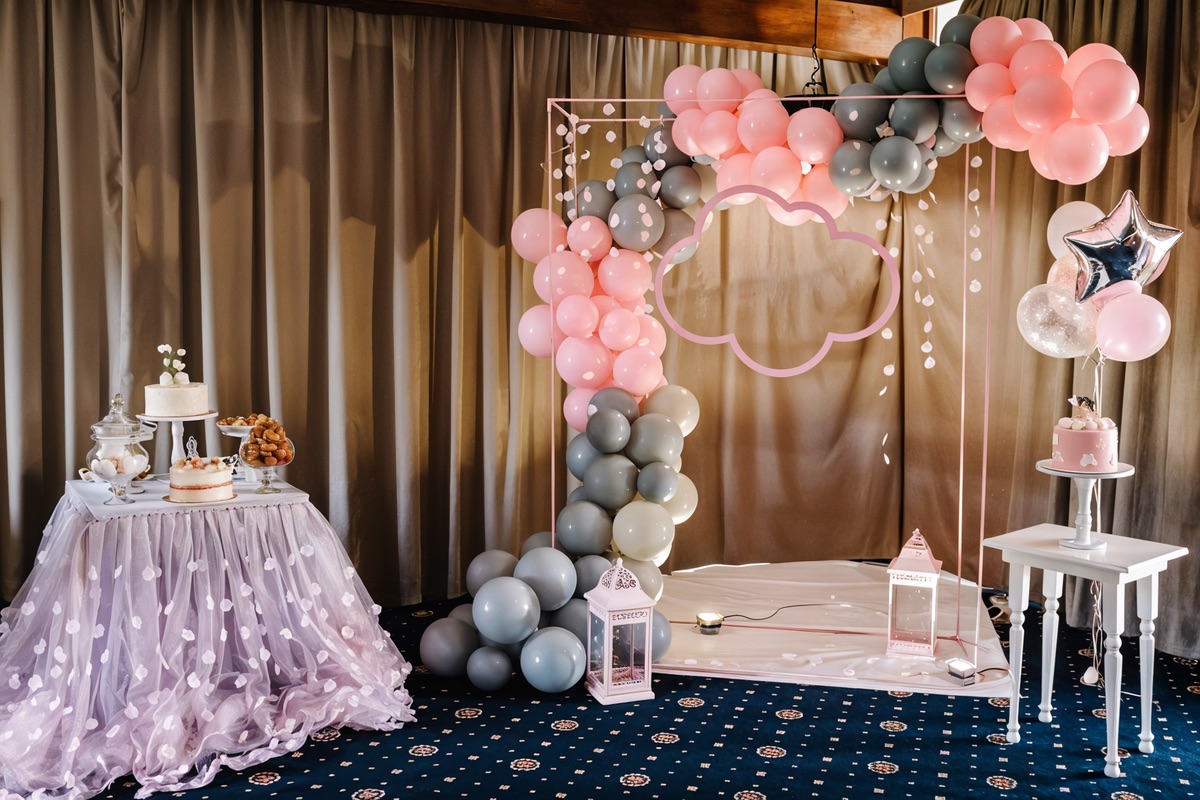

The choice comes down to the kind of portfolio you want to build. Interior Decoration gives you room layouts and styling concepts that can be revisited and refined. Party Decoration gives you event scenarios with a clear deadline and client brief. Gift packaging sits between them: smaller projects, lower physical scale, and a product that can be sold without decorating an entire venue.
Where each course falls short
- ❌ None of the supplied listings confirms a recognised professional credential.
- ❌ Prices are not shown for Gift Packaging Creator or Interior Decoration.
- ❌ The descriptions do not provide enough detail to judge assessment methods or instructor support.
- ❌ An 18-hour course can introduce techniques, but it will not replace a portfolio or real client practice.
That last point matters. A certificate may help document completion, but creative clients usually need to see finished work. Plan to create several sample projects alongside the lessons rather than treating the course as the whole career plan.
Which Course Should You Take?
Pick Gift Packaging Creator if you are a beginner with limited space, want a tangible product to practise, and are considering a small custom-gifting service. Choose Interior Decoration if your interest is room composition, color, furniture, and accessories, and you want the broadest design foundation in this group. Start with Decoration for Parties if you want a free, 18-hour introduction to event styling before committing money to materials or a longer programme.
None of these listings provides enough evidence to call it a career-ready qualification. They are better viewed as accessible starting points. The free party course carries the least financial risk, Interior Decoration covers the widest design brief, and Gift Packaging Creator offers the clearest small-business product angle.
My pick for most career-switchers is Interior Decoration because its principles can transfer across more projects. For a weekend learner testing a side hustle, Gift Packaging Creator is more focused. For anyone still unsure, begin with the free party course and use the finished work—not the certificate—as your test of whether creative services suit you.